
The science of brain development for children is increasingly clear — and we have failed miserably in sharing that very clear and important science about the powerful impact of development activities in the first weeks, months, and years of life for each child.
We know that the children who don't get simple and direct brain exercise in the first years of life fall behind — and we know that it's extremely difficult and almost impossible for children who fall behind before age 4 to catch up later.
The epigenetic reality for children who don’t get that support in the first months and first years of life is very real and it’s extremely painful because it has such a huge impact on each child — and almost no one who hears or reads it can accept how real it is, and most people simply believe that it's so painful that it cannot possibly be real or true.
This blog series helps explain some of the key insights from our newest white paper: We Need to Help Every Family Help Every Child Exercise Their Brain. In it, we discuss our future as a nation based on the experiences that are happening right now for all of the children who are being born today.
Key Points
-
The major learning gaps that we see in too many of our schools create a major part of our future trajectory as a nation and we're getting worse in almost every district because all of the kids in those districts aren't getting those interactions when they can do wonderful things for every child, and when they are easy to do and a joy for each parent and child.
-
The process must start immediately for every child.
- The impact of the first weeks, months, and years of life are extremely important for us all to understand, because they only happen for each child once — and we, as a nation, are now failing every child.
Why This Matters
Exercising a child’s brain in the first days of life strengthens the brain.
The interactions that each individual child receives in their first weeks of life puts them on the path that they'll be on for the rest of their life. Children who fall behind in the first three years of life, and who never learn to read well in school as a result, have a much more difficult time and are far more likely to drop out of school.
The children who drop out of school because they can’t read or do math far too often have a difficult time finding employment — and the sad and painful reality is that far too many children who drop out of school eventually turn to gangs and crime.
Next Steps to Do Today
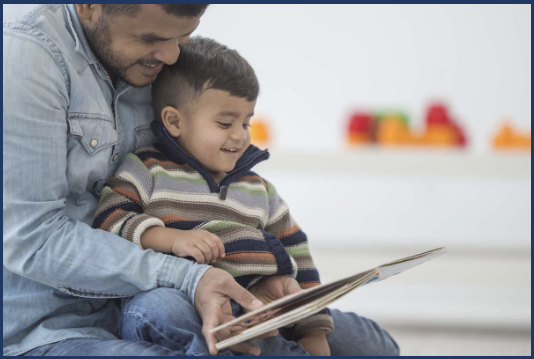
- Spend 30 minutes or more as a family or parent reading to your child. Reading is extremely powerful and useful as an interaction.
- Help kids get access to books by donating books to family, local care givers, and schools.
- Use the website resources found at ThreeKeyYears.org.
Next time we’ll address what we can do to reduce the massive learning gaps in our schools.
Look at the thoughts outlined in our National Reading Scores thought piece.